zerofox logo
vert_backdrop

Government Cybersecurity Solutions That Remove Threats Outside the Agency Perimeter

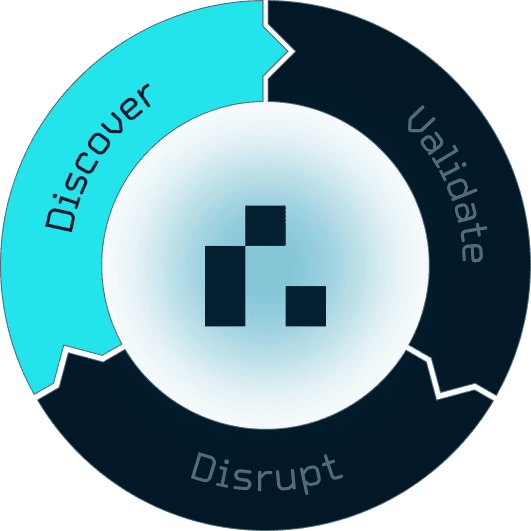
ZeroFox discovers, validates, and disrupts the spoofed .gov sites, impersonated officials, doxxing campaigns, and leaked credentials aimed at federal missions, federal personnel, and the public they serve.

Why Government Agencies Are a Preferred Target

A federal seal turns a scam into an instruction. Attackers register lookalike .gov domains, clone benefits and grant portals, and stand up payment pages built to capture Social Security numbers, then push traffic to them with text messages, robocalls, and phishing mail that appear to come from the agency itself. A public advisory can tell people a site is fake. It cannot pull the site, the domain, or the next twenty registered behind it. None of that infrastructure sits inside the agency perimeter. It lives on registrars, hosting providers, social platforms, and app stores the agency does not own, which is why attackers choose it. Network controls, endpoint agents, and email gateways never see it.

Threat Assessment Cases

opened against Members of Congress, their families, and staff in 2025, up 58% from the year before ¹ 1

%

Hacking-related Government Breaches

involved stolen credentials, with phishing opening the door in another 20% ² 2

Cents Per Record

is what data brokers charged researchers for information on active-duty U.S. service members, home addresses included. ³ 3

What ZeroFox Protects for Government Agencies

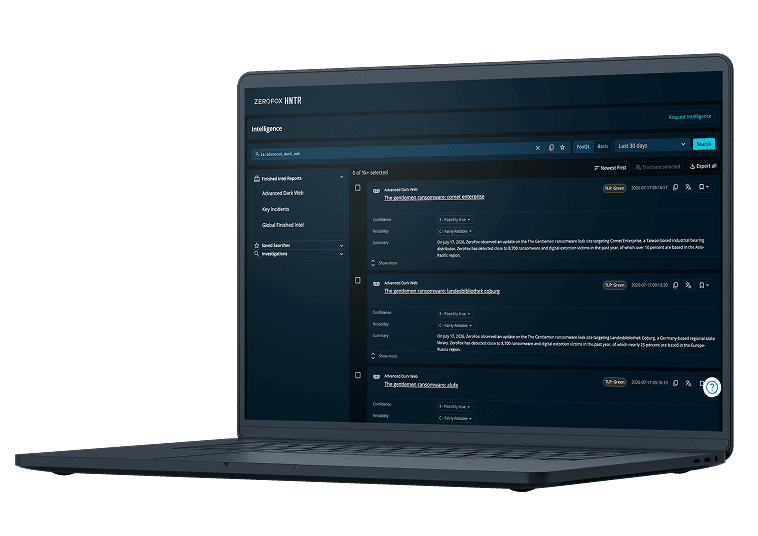
Government security teams are accountable for exposure they cannot configure. ZeroFox watches the registrars, social platforms, app stores, data broker sites, and closed criminal forums where federal impersonation and targeting start, confirms what is real, and takes it down.

Typosquats of your .gov, cloned permit and benefits pages, payment portals built to capture Social Security numbers, and the redirect chains behind them. Detection runs against certificate transparency logs and newly registered domain activity, often before the page goes live, and ZeroFox mitigates live phishing URLs in about 10 minutes.
Fake agency profiles, unauthorized third-party stores, rogue mobile apps published under your name, and paid ads bidding up traffic to outrank the real agency page. ZeroFox finds and removes them across 180+ platforms and the major app stores.
Remove impersonation accounts and synthetic images attributed to senior leaders, shut down doxxing campaigns, and pull personally identifiable information and home addresses from data broker and people-search sites on a continuous re-check. Coverage is assigned per person and reassignable as exposure changes, with the option to extend to immediate family.
ZeroFox monitors 21,000 dark web forums daily, plus paste sites, botnet logs, and breach corpora, for credentials and session tokens tied to federal email domains and remote access portals. Findings arrive with source and recency context, so your team can force a reset on the accounts that matter.
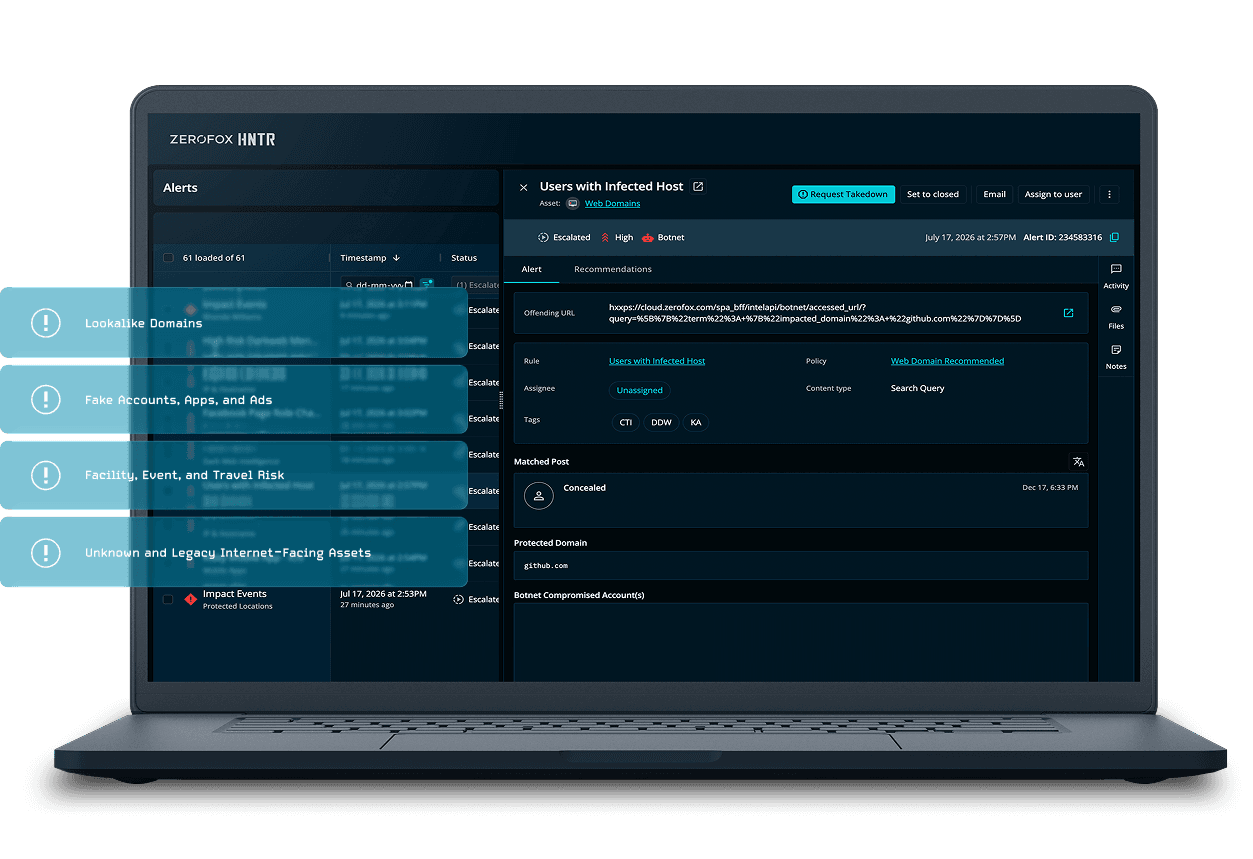
Analyst-vetted geospatial alerts in under two minutes, tied to federal buildings, ports of entry, field offices, public events, and official travel routes. Alerts reach security staff through interactive mapping and mobile push, drawn from 46,000+ locations across 150+ countries.
Continuous discovery of everything the public can reach: domains, subdomains, certificates, exposed application programming interfaces, cloud storage, shadow IT, and vendor assets. That includes the microsite from three administrations ago that still resolves and still runs the content management system it launched on.

Why ZeroFox Leads in Public Sector Cybersecurity

External Threats Are the Core Product

External Threats Are the Core Product

Human Operatives Inside Closed Forums

Human Operatives Inside Closed Forums

The Largest Disruption Network in the Category

The Largest Disruption Network in the Category

A Defensible Record

A Defensible Record

Coverage That Follows the Threat

Coverage That Follows the Threat

Analysts as an Extension of Your Team

Analysts as an Extension of Your Team

Leading Brands Trust ZeroFox

See ZeroFox in action

Bring a domain, an official’s name, or a program you are worried about. We will show you what is already out there and what removal looks like. Book a walkthrough with the ZeroFox team.

Frequently asked questions

Government cybersecurity covers the defense of agency networks, personnel, and the public those agencies serve. Most tooling addresses the internal side: networks, endpoints, identity, email. The harder problem sits outside the perimeter, on infrastructure the agency does not control — spoofed websites, fake official accounts, employee credentials traded on criminal forums, and personal data sold by brokers. Defending that surface requires continuous visibility into the public and criminal internet plus the ability to remove what you find.
Government carries authority that makes impersonation profitable. When a payment portal is cloned, the victim is usually a member of the public and the damage to trust lands on the agency. Agencies are also accountable in ways private organizations are not, so being able to show what was found, what was removed, and when it happened matters as much as the removal itself.
ZeroFox finds impersonating infrastructure as it is built, then removes it. Automated detection flags typosquatted domains, cloned pages, and rogue mobile apps at publish, while DarkOps specialists monitor invite-only forums for credentials and targeting activity tied to the agency and its leadership. Confirmed threats route through the Global Disruption Network of more than 80 partners spanning ISPs, registrars, hosting companies, telcos, and social platforms, with a 95% takedown acceptance rate and most phishing URLs mitigated in about 10 minutes.
Coverage is assigned per person rather than per organization, and is reassignable as exposure changes. It combines impersonation and deepfake detection across social platforms, continuous PII and home-address removal from data broker and people-search sites, dark web monitoring for credentials and financial records, and geospatial alerting that ties online threat activity to residences, facilities, and travel. At the highest tier, coverage extends to immediate family.
Yes. Programs scope by root domain and by named individual, so a single set of public-facing properties can be protected first and components or jurisdictions added later without redeploying. Most agencies start with the citizen-facing domains that draw the most fraud, prove removal works, then widen.
For external threats, look past vendors that only send alerts. The strongest platforms detect spoofed domains and fake accounts at registration, reach the closed forums where stolen credentials change hands, and take threats off the internet rather than adding them to a report. Ask about takedown acceptance rates, mitigation speed, whether brand, domain, executive, and physical protection are core capabilities or add-ons, and whether the vendor can produce an auditable record of every action taken. Most government security tools are built to defend the network. Fewer are built to remove threats from the internet outside it.
  • [1] United States Capitol Police, USCP Threat Assessment Cases for 2025, January 27, 2026
  • [2] Verizon, 2026 Data Breach Investigations Report, Public Sector Snapshot, Public Administration (NAICS 92)
  • [3] Duke University Sanford School of Public Policy, Data Brokers and the Sale of Data on U.S. Military Personnel, November 2023